
- News
- India News
- Give officials 15 days before coming to us, says NGT
Trending
This story is from July 22, 2018
Give officials 15 days before coming to us, says NGT
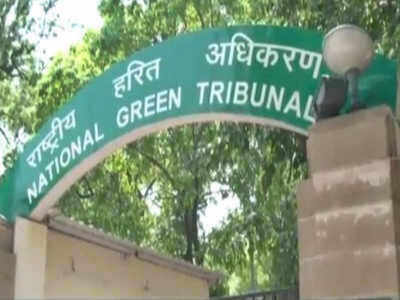
The response could either be given directly to the individual concerned or placed on the official website. Lawyers say this can put petitioners or complainants at great risk and under pressure from polluters who may want to ensure that the complaint doesn’t reach courts.

When a petitioner approaches NGT, the authority’s response received should be mentioned in the application. NGT believes that “this procedure may provide quicker remedy to individuals and also enable authorities to indicate their stand”.
An NGT bench has ruled that this rule be followed in all cases from August 1, 2018, unless an exception is made. It also directed that a copy of the order be sent to the Union environment ministry so that the latter can convey the order to all statutory authorities in the country through e-mail.
The NGT’s registry will also send all communication by SMS or e-mail and ask for these details by applicants. This is one of the first major changes to be ordered by the new chairperson of NGT, Adarsh Kumar Goel, who took charge on July 8.
“The new order applies to all cases coming to NGT. The bench was of the opinion that authorities may rectify or address the complaint and the complaint doesn’t need to come to NGT at all. If the authorities don’t respond then people can approach NGT,” Rahul Choudhury, advocate, said.
It’s not clear whether the same process will apply to conflict related to or complaints against private corporations. NGT was hearing a petition against severe soil and water pollution in Chhattisgarh’s Raigarh district, allegedly caused by emissions from industries and power plants.
“We are of the view that every applicant who approaches this tribunal must indicate in the application the specific provision of a statute violated, substantiate questions of environment … and the persons accountable for the same particularly the public authorities,” the order dated July 19 stated.
“The NGT act doesn’t say prior representation is needed before approaching the tribunal. Even the grant of environmental clearance can be challenged in NGT. The Act states that any aggrieved person can approach the court within 30 days from the date of issuing the clearance, but there is no mention of prior communication with authorities,” Ritwick Dutta, environmental lawyer, said. He added: “But there is a larger issue with the recent NGT order. What happens if the application is against a private company? Also, giving a representation may put petitioners at great risk. They may be under pressure not to file the case. Where is the court’s security for them? NGT petitioners have been attacked earlier. This is similar to the threat to RTI activists’ lives.”
“While the Tribunal binds litigants on writing to the concerned authorities before approaching the Tribunal, it is silent on what they are to do in case there is no response. Sometimes the grievance is against the very authority to whom a complaint needs to be made. A prior intimation may not work for those appellants looking for urgent remedies,” said Kanchi Kohli, a researcher at the Centre for Policy Research (CPR).
Another NGT lawyer, who didn’t wish to be named, said: “The new chairperson probably plans to take away the limelight from NGT so that people find other means to resolve environmental conflicts.”
End of Article
FOLLOW US ON SOCIAL MEDIA










Photostories

Hot Picks
TOP TRENDING
Popular Categories
Hot on the Web
Top Trends
Israel Hezbollah WarMost Runs in International CricketVirat KohliIND vs BAN Live ScoreRohit SharmaIndian Team Fastest Test FiftyMohammed SirajUGC NET Result 2024TS DSC Results 2024Women T20 World Cup Points TableWomen T20 World Cup ScheduleShane McMahon Net WorthHezbollah ChiefTourists Not AllowedDiddyTop Management Colleges of IndiaLive Cricket Score
Trending Topics
Devara CollectionMithun ChakrabortyKangana RanautNavratri WishesGandhi Jayanti WishesAnant AmbaniDevara CollectionGandhi Jayanti 2024Masala OmeletteEmergencyDevaraTaaza Khabar 2 Twitter ReviewDevara Movie ReviewHealthy RaitasSwatantrya Veer SavarkarColdplay India tour 2025Smartphone DealsApple Macbook Air M1Amazon SaleWordle Answer
Living and entertainment
Latest News
iVoomi S1 Lite e-scooter launched at Rs 84,999: 180 km range, three-year warranty!Tata Nexon turbo CNG: Variant-wise features with price explainedPMI in India intensifies efforts against Illicit Tobacco Trade to Safeguard Economic Interests and Consumer Protection'For the next 10 years, we've got players who will make our country proud' says VVS Laxman on bench strengthBarbra Streisand pays tribute to late 'A Star Is Born' co-star Kris Kristofferson: 'He was something special'Sasikumar and Simran join hands for a feel-good, city-based entertainerMumbai vs Rest Of India: Irani Cup tie offers chance for hopefuls and rejects to impress selectorsQueen Camilla does not want King Charles to meet Prince Harry because...Watch: Jasprit Bumrah’s lethal inswinger shatters Mushfiqur Rahim’s off stumpOlivia Culpo and Christian McCaffrey buy George Clooney's mansion for $14.5 millionRG Kar case: Kolkata court extends judicial custody of ex-principal, suspended cop till October 4Paul Heyman opens up on declining TNA offer after leaving WWEHow can Ben Stokes and other overseas players avoid a two-year IPL ban?"Nothing he was doing was believable", Darby Allin picks names wrestler who benefited most from AEW All In 2023 backstage incidentColleagues remember braveheart Delhi Police constable Sandeep: 'Would rush to crime scene alone'Header: Kolkata metro conducts public awareness campaign at Dum Dum metro stationBihar and Jharkhand among top two states enrolling for contributory pension scheme for farmers"Tyler Huntley’s 'Snoop' Nickname: The Rapper Connection Explained”
Copyright © 2024 Bennett, Coleman & Co. Ltd. All rights reserved. For reprint rights: Times Syndication Service